It lets you identify your optimal retatrutide dose while minimizing side effects that could derail your research timeline
Over 4,000 genes respond to GHK-Cu treatment, including genes involved in tissue repair , nerve regeneration, and immune function
In principle, synergy is plausible in a few situations: Complementary pathways (e.g., appetite control + strength training adherence) Non-overlapping side-effect profiles Clear outcome tracking (so you can actually attribute effects) Where it tends to fall apart: Redundancy (two agents trying to push the same pathway) Hormonal axis pressure (especially GH/IGF-1 axis stacking) Long timelines with weak evidence (people run stacks for months because its peptides, not because outcomes justify it) For the rest of this article, Ill treat each stack as a clinical hypothesis and ask a simple question: If this were my patient, what would I be confident saying based on human evidenceand what would I label unknown? The 7 stacks people search for most (and what the evidence really supports) Quick comparison table Now, lets go stack by stack
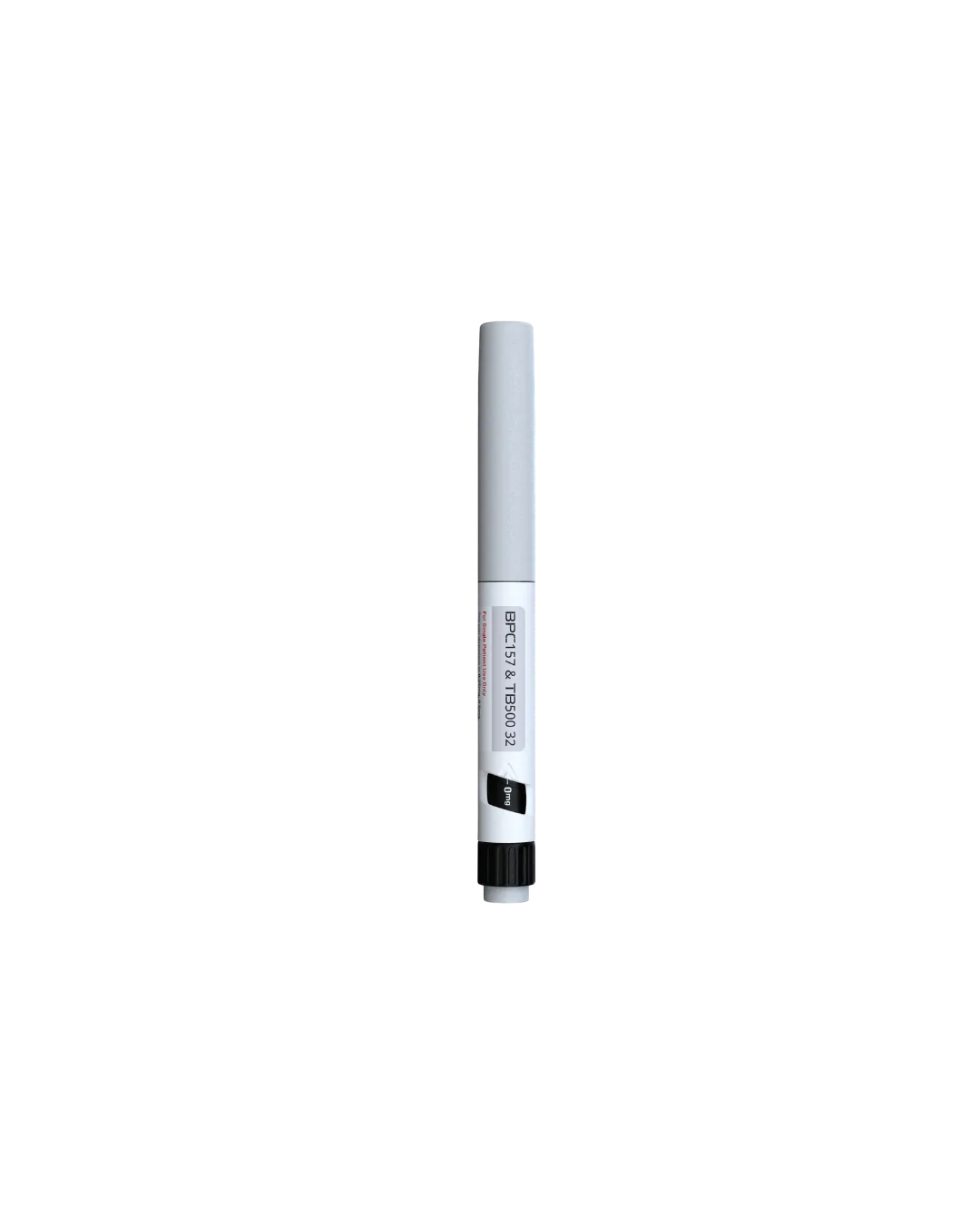
Due to their high similarity to naturally occurring peptides, synthetic peptides, such as BPC-157, are generally considered safe and well-tolerated


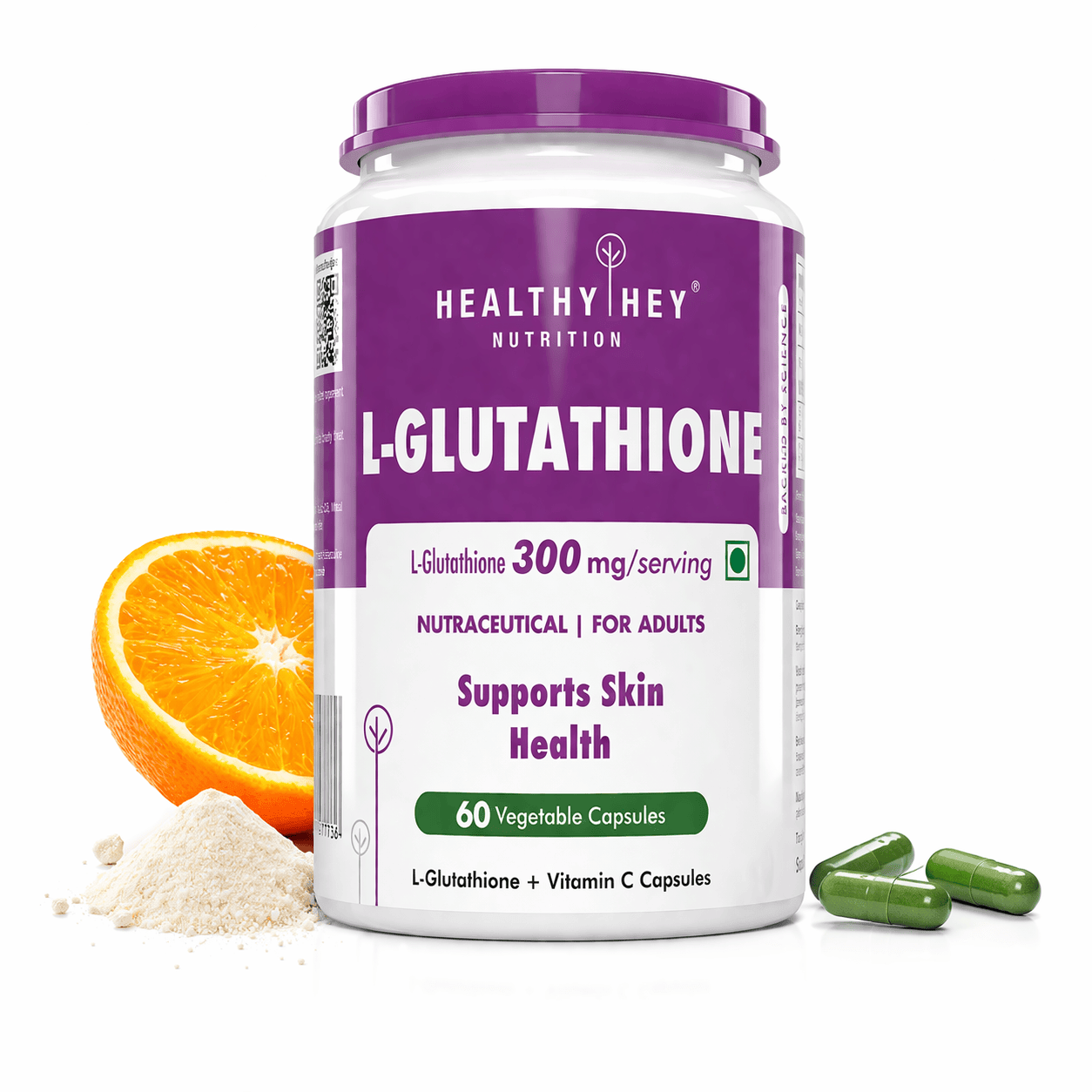
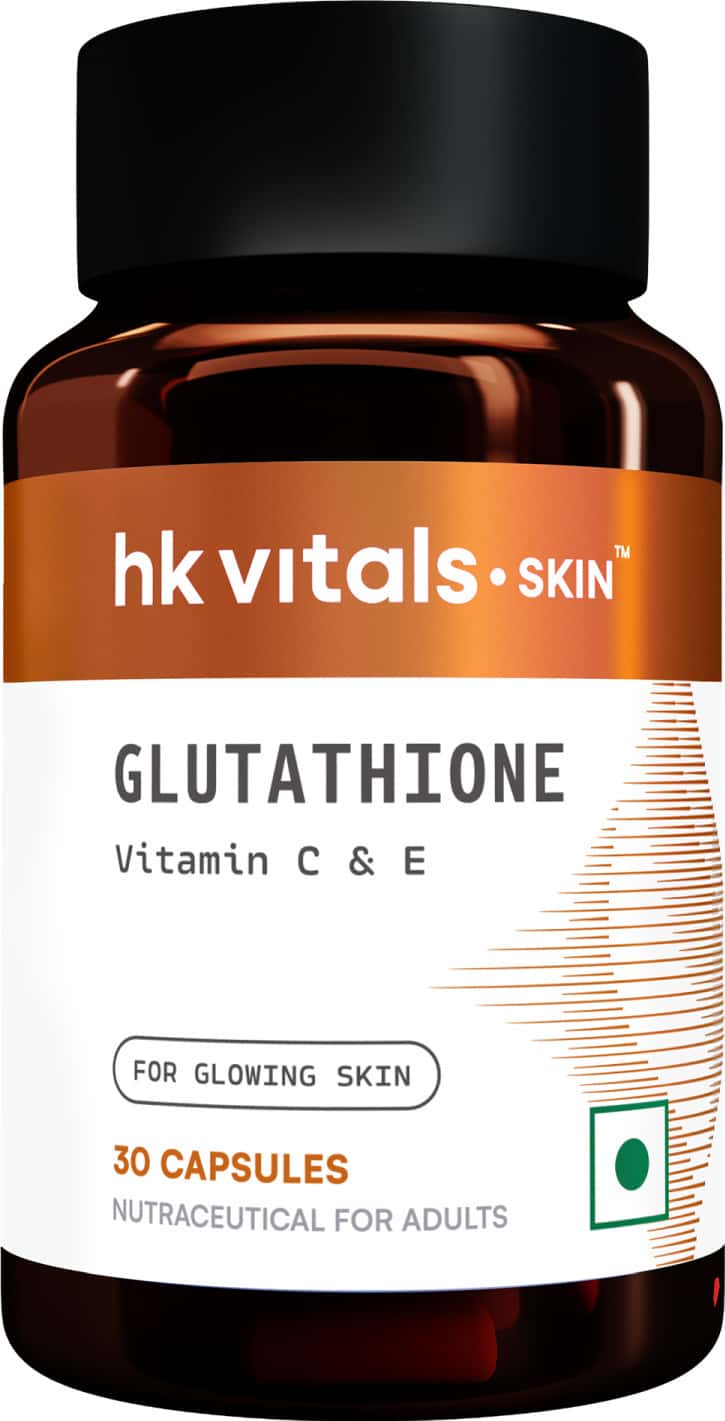
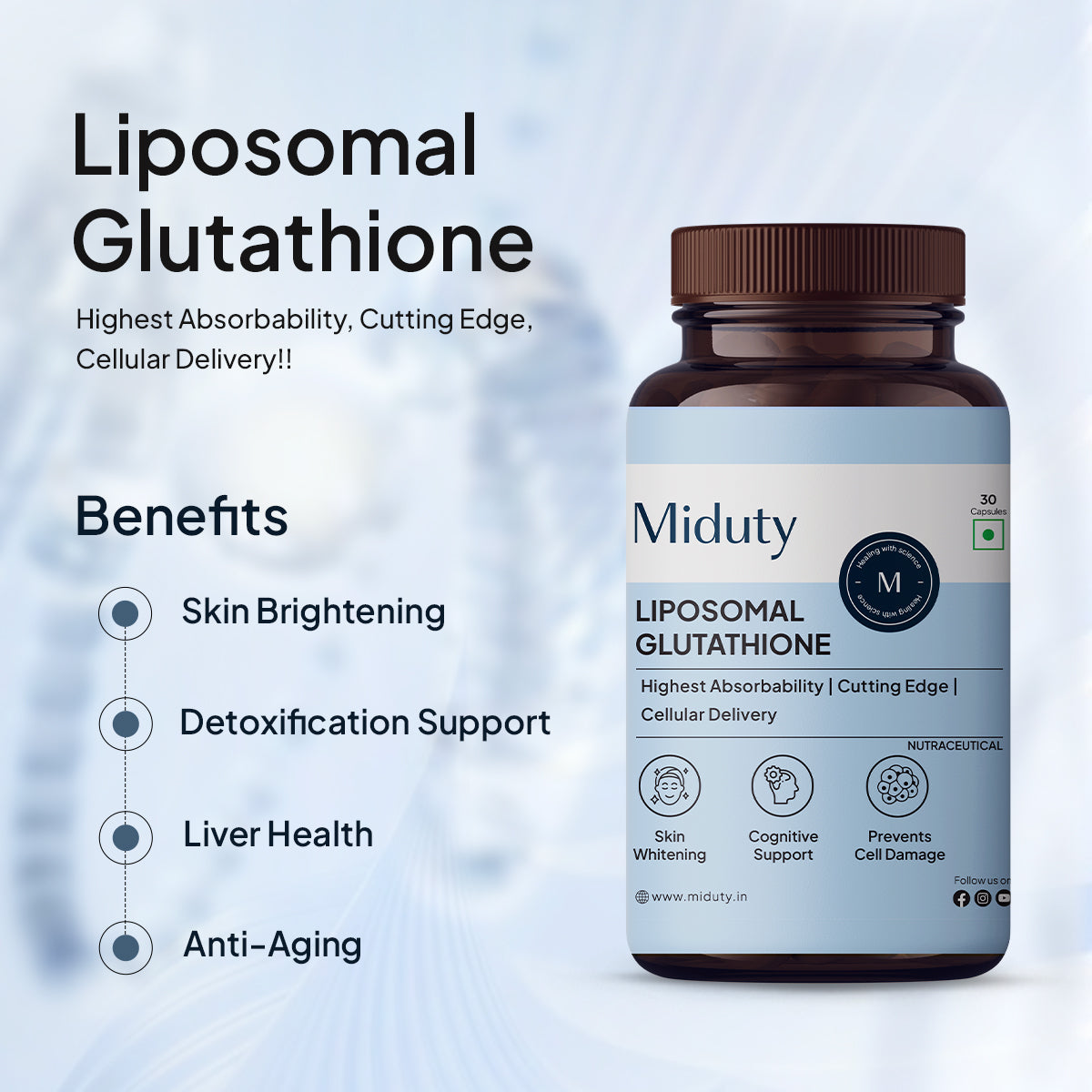
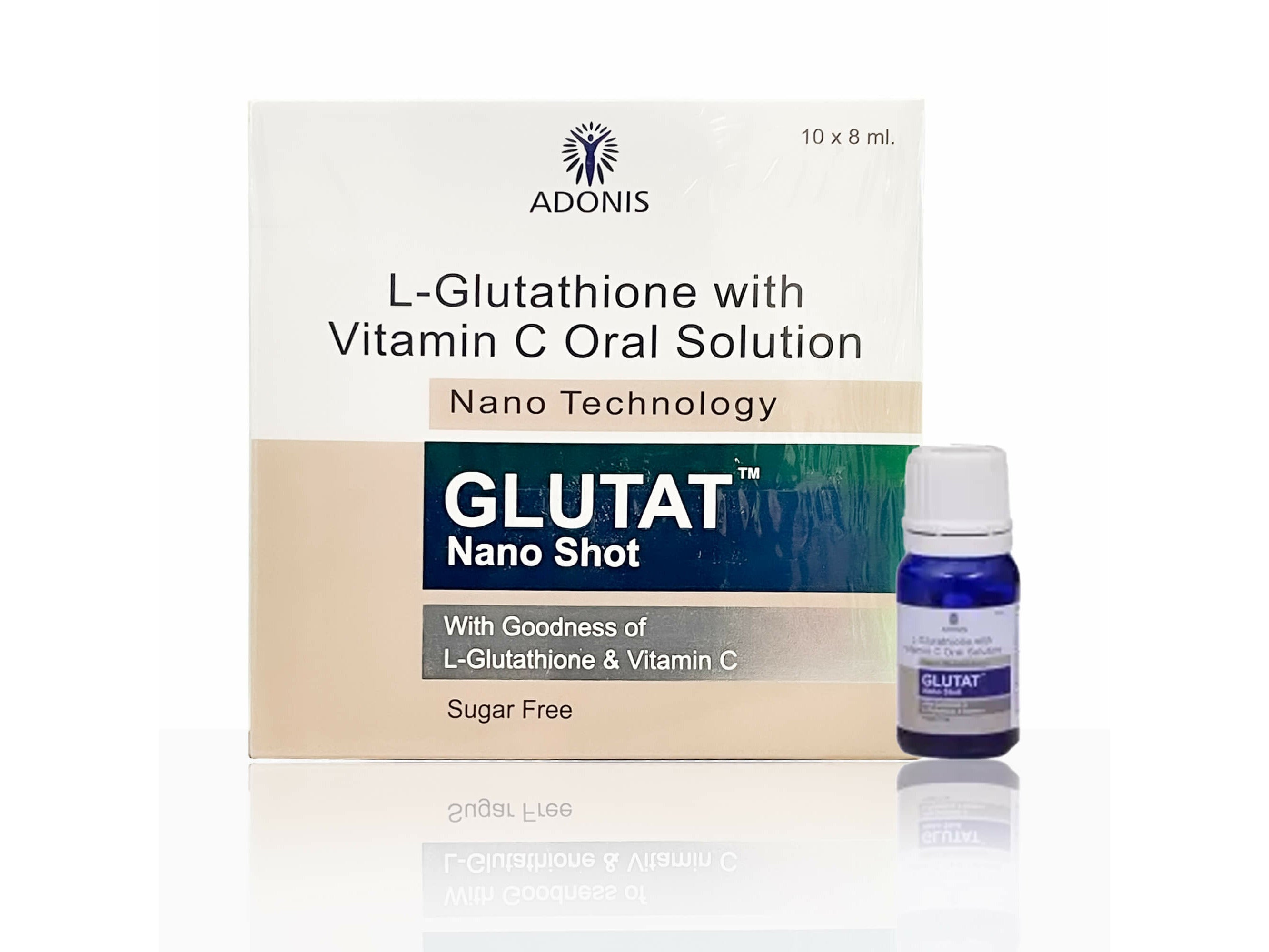
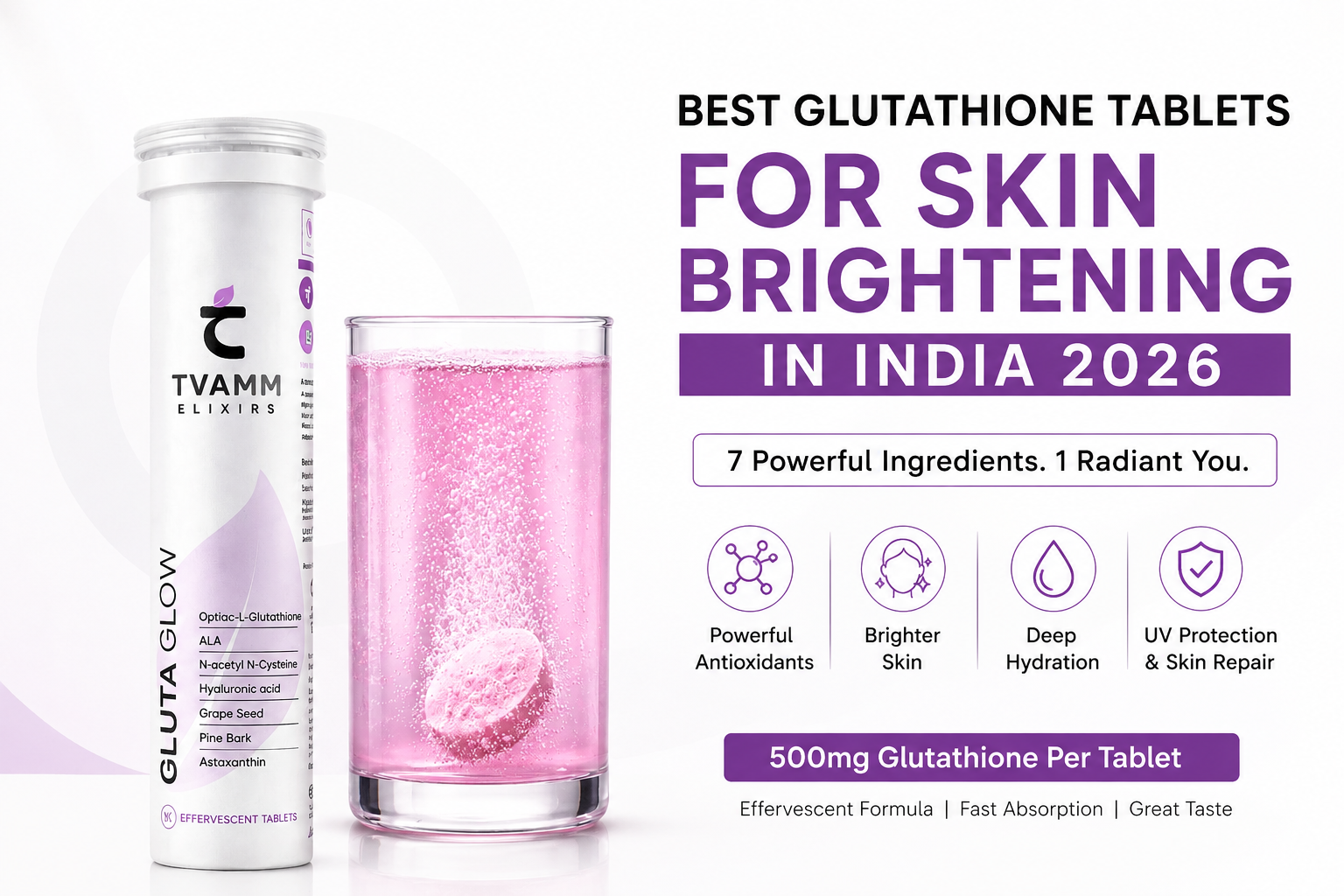
![🔥Best Glutathione Tablets for Skin Whitening [Most Effective & Affordable Picks]](https://i.ytimg.com/vi/7LF6_DmIOX8/hq720.jpg?sqp=-oaymwEhCK4FEIIDSFryq4qpAxMIARUAAAAAGAElAADIQj0AgKJD&rs=AOn4CLAQbIuCcS8dPOJ4gx3IqeD8bYBMQQ)
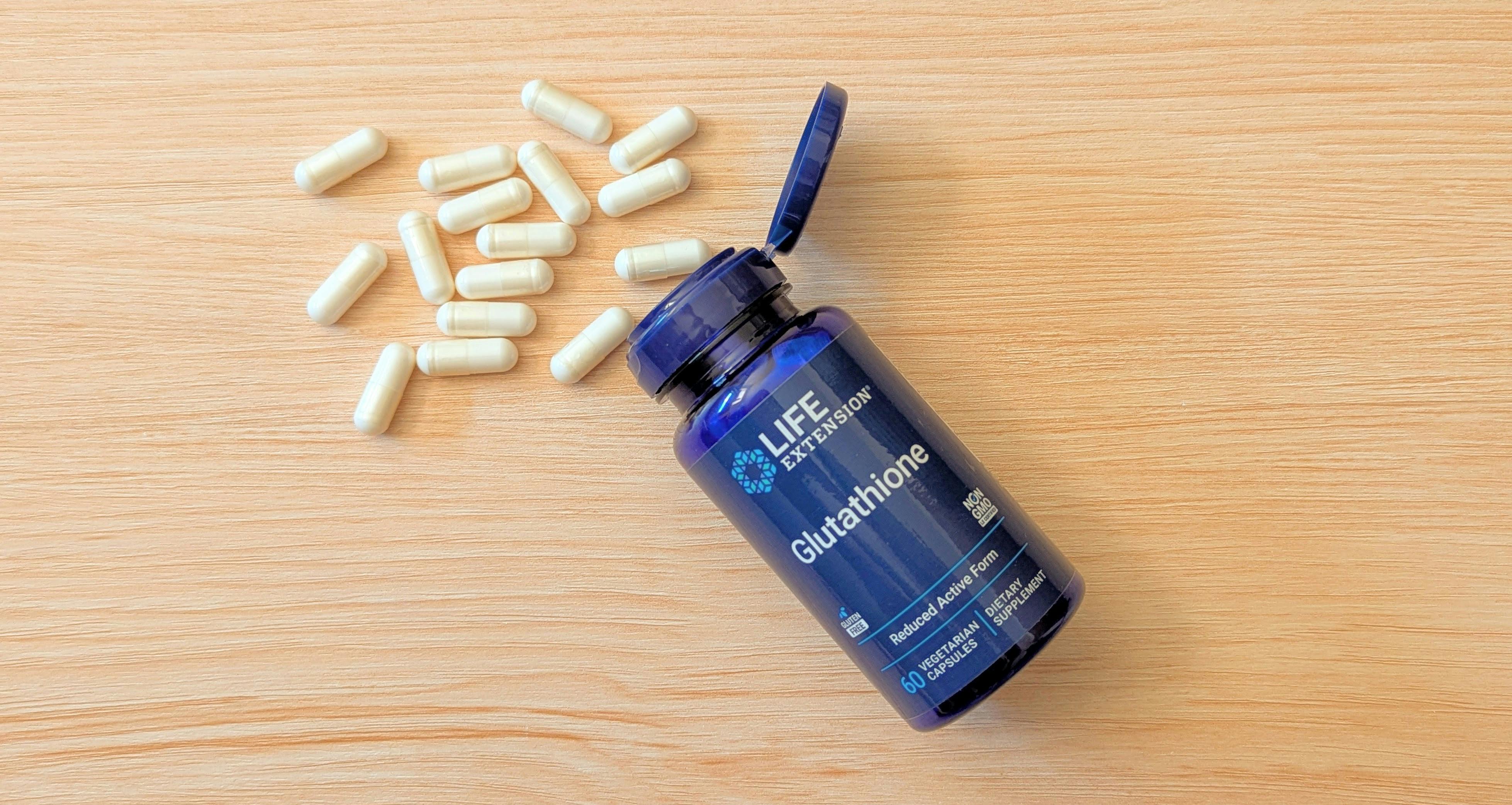
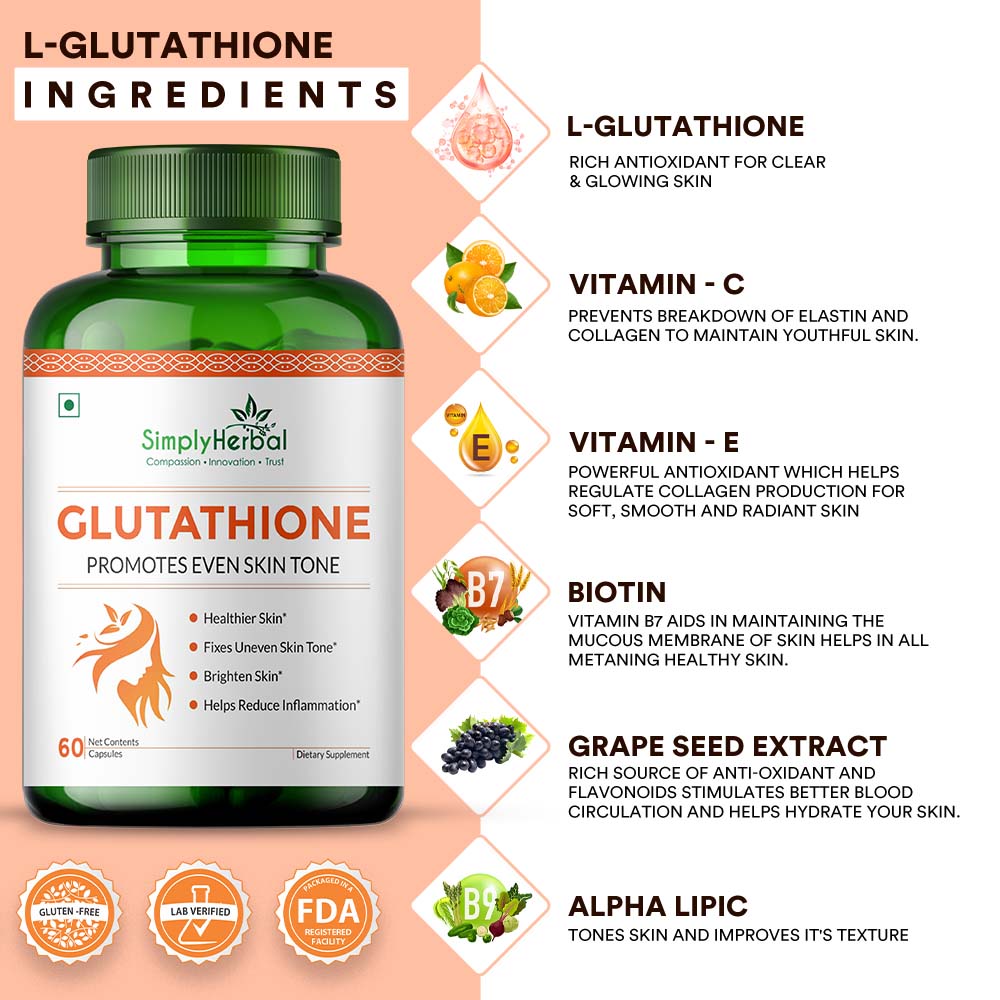

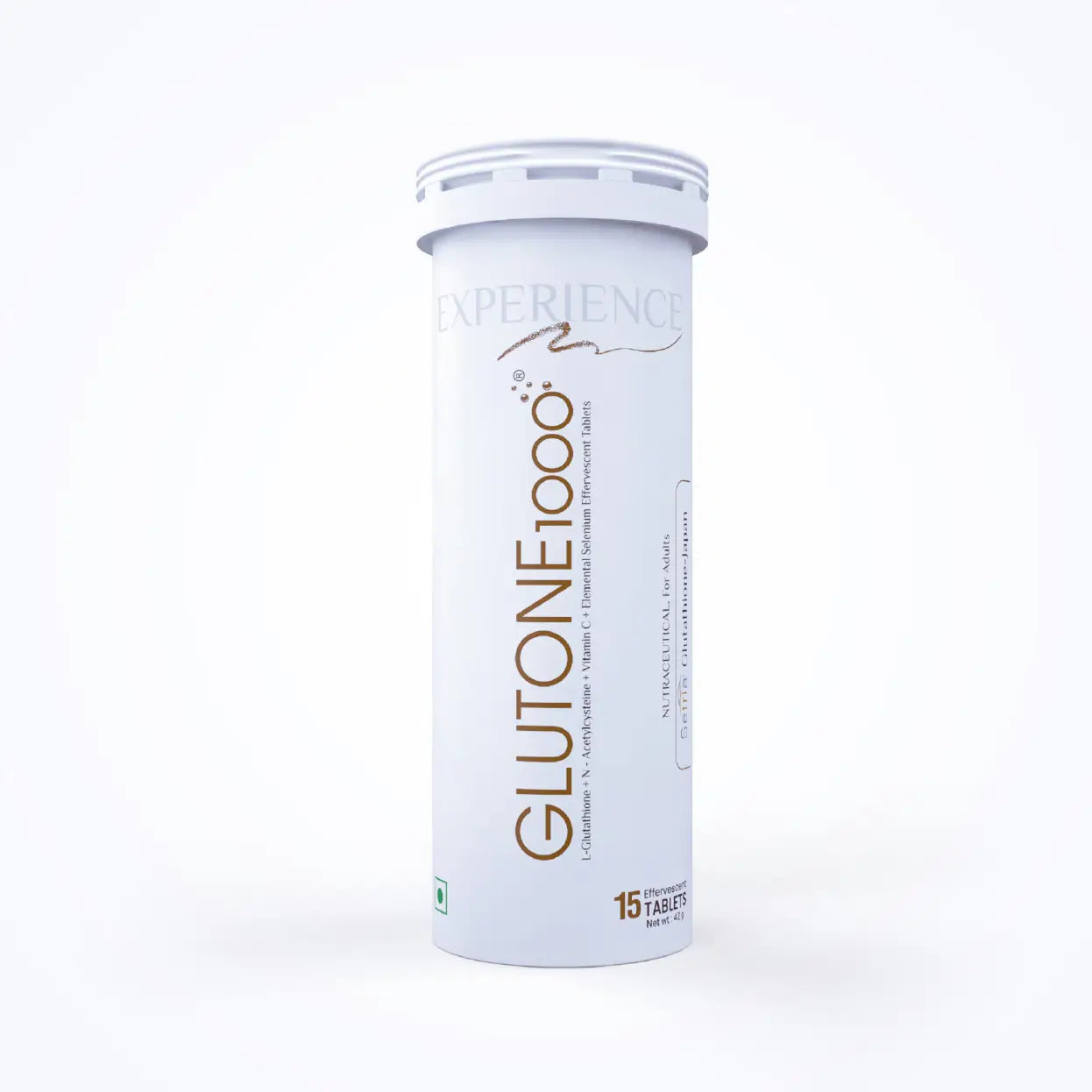






![1 Remastered] No Prompt to Enter Code In Fort Frolic? : r/Bioshock](https://preview.redd.it/1-remastered-no-prompt-to-enter-code-in-fort-frolic-v0-8cqqrqzbz7tg1.jpeg?width=640&crop=smart&auto=webp&s=50956dc433de7db62bb9074d6fe5b6caec398185)